
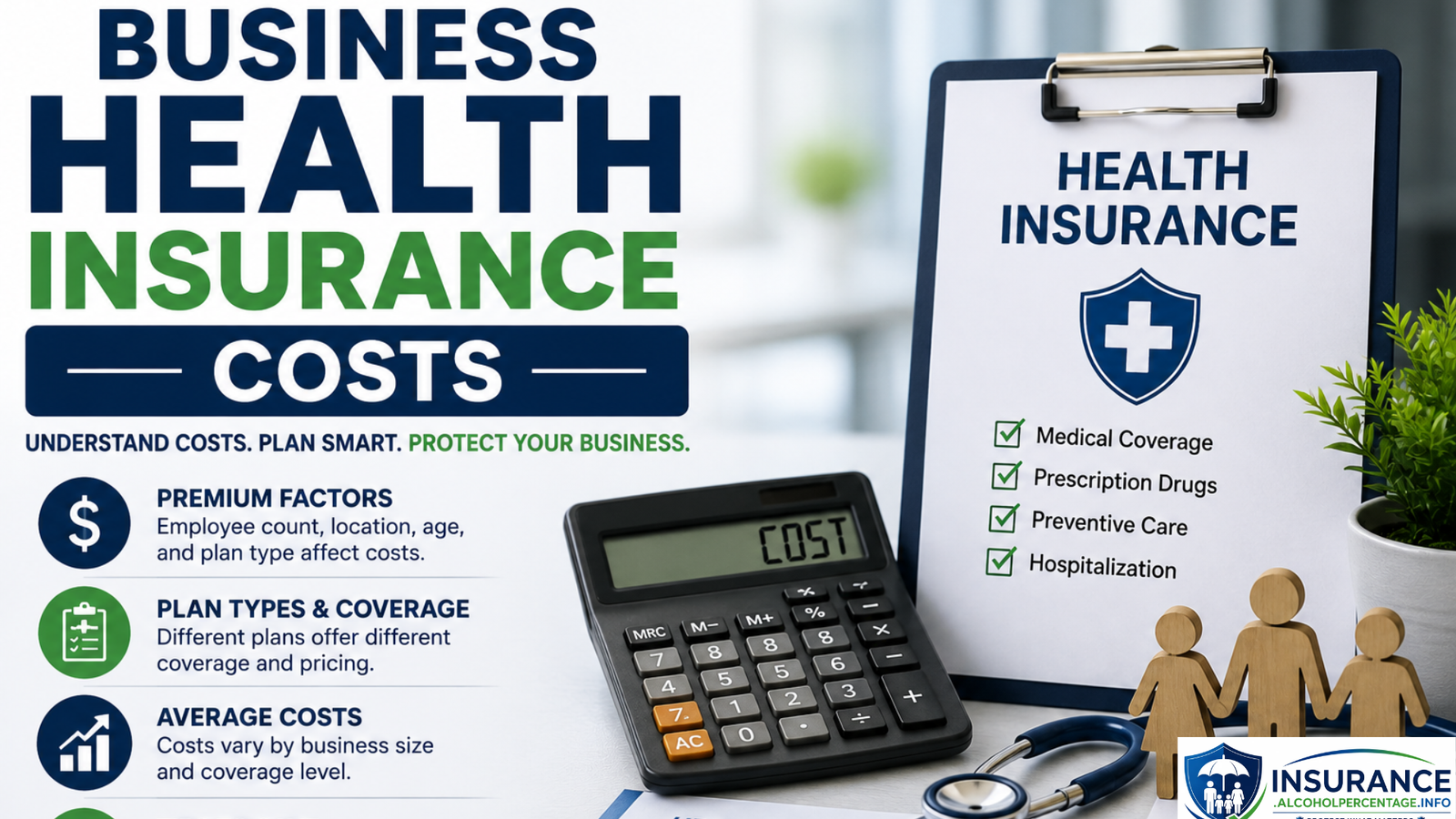
Reducing small business health insurance costs means using smart strategies to lower the amount a company spends on employee health benefits without sacrificing quality coverage. Instead of simply choosing the cheapest plan, business owners compare insurance providers, adjust plan designs, encourage preventive care, and take advantage of tax credits to reduce overall healthcare expenses.
Lowering health insurance costs helps businesses control operating expenses while continuing to attract and retain talented employees. A well-planned health insurance strategy benefits both employers and workers.
Common Ways to Reduce Health Insurance Costs
- Compare multiple insurance providers.
- Choose the right coverage level.
- Offer high-deductible health plans (HDHPs).
- Use Health Savings Accounts (HSAs).
- Encourage preventive healthcare.
- Join a small business health insurance marketplace.
- Take advantage of available tax credits.
Cost-Saving Strategies
| Strategy | How It Helps |
| Compare Insurance Plans | Find lower premiums with similar coverage. |
| Health Savings Accounts (HSAs) | Reduce taxable healthcare expenses. |
| High-Deductible Plans | Lower monthly insurance premiums. |
| Preventive Care Programs | Reduce long-term medical costs. |
| Small Business Tax Credits | Offset health insurance expenses. |
| Employee Wellness Programs | Improve employee health and reduce claims. |
Business owners who regularly review their insurance plans often find opportunities to lower premiums while maintaining valuable employee benefits.
Key Features
The best strategies for how to reduce small business health insurance costs focus on balancing affordability with quality healthcare coverage. Modern health insurance plans also include digital tools and wellness programs that help reduce long-term healthcare spending.
Key Features at a Glance
| Feature | Benefit |
| Affordable Premium Options | Lower monthly insurance costs. |
| Flexible Plan Choices | Select coverage based on business needs. |
| Preventive Care Coverage | Helps reduce future medical expenses. |
| Telehealth Services | Saves money on routine doctor visits. |
| Health Savings Accounts (HSAs) | Provides tax advantages for medical expenses. |
| Employee Wellness Programs | Encourages healthier lifestyles. |
| Tax Credit Eligibility | Helps reduce employer healthcare costs. |
Why These Features Matter
Look for health insurance plans that provide:
- Affordable monthly premiums.
- Wide provider networks.
- Preventive healthcare benefits.
- Prescription drug coverage.
- Digital claim management.
- Strong customer support.
- Flexible plan options.
Choosing plans with these features can help lower healthcare expenses while keeping employees satisfied.
Benefits
Learning how to reduce small business health insurance costs provides financial advantages for both employers and employees. Lower insurance expenses allow businesses to invest more in growth while continuing to offer competitive employee benefits.
Cost-saving strategies also improve long-term business stability and employee satisfaction.
Benefits of Reducing Health Insurance Costs
- Lowers monthly insurance expenses.
- Improves business cash flow.
- Helps retain talented employees.
- Provides affordable healthcare coverage.
- Increases employee satisfaction.
- Supports long-term business growth.
Benefits Overview
| Benefit | Why It’s Important |
| Lower Operating Costs | Frees up money for business growth. |
| Better Employee Retention | Competitive benefits improve loyalty. |
| Tax Savings | Eligible businesses may receive tax credits. |
| Affordable Coverage | Employees receive valuable health benefits. |
| Financial Stability | Reduces unexpected healthcare expenses. |
By using smart cost-saving strategies, small businesses can provide quality health insurance while keeping expenses under control.
Pricing
The cost of small business health insurance depends on factors such as company size, employee ages, location, coverage level, and the insurance provider. Businesses can reduce costs by selecting plans that match their workforce’s healthcare needs.
Estimated Monthly Costs
| Plan Type | Average Monthly Cost (Per Employee) |
| Bronze Plan | $350–$500 |
| Silver Plan | $450–$650 |
| Gold Plan | $600–$850 |
| Platinum Plan | $800–$1,000+ |
Factors That Affect Pricing
Insurance premiums depend on:
- Number of employees.
- Employee ages.
- Business location.
- Coverage level.
- Deductible amount.
- Insurance company.
- Claims history.
Comparing quotes from multiple providers each year can help businesses find better rates and avoid paying more than necessary.
Pros & Cons
Reducing small business health insurance costs offers many advantages, but business owners should also consider possible trade-offs before changing health plans.
Pros & Cons Comparison
| Pros | Cons |
| Lower monthly insurance costs | Higher deductibles on some plans |
| Better cash flow | Employees may pay more out of pocket |
| Access to tax credits | Limited provider networks on certain plans |
| Flexible coverage options | Plan comparisons require time |
| Supports business growth | Annual premium increases may still occur |
Pros
- Reduces business expenses.
- Improves financial stability.
- Maintains employee benefits.
- Offers tax-saving opportunities.
- Encourages preventive healthcare.
Cons
- Lower-cost plans may have higher deductibles.
- Employees may need to change healthcare providers.
- Annual policy reviews require time and planning.
Business owners should compare both costs and coverage before making changes to ensure employees continue receiving quality healthcare benefits.
Comparison With Alternatives
There are several ways to manage employee healthcare expenses, but not every option offers the same balance of affordability and coverage. Traditional group health insurance remains the most common solution, while alternatives such as Health Reimbursement Arrangements (HRAs), Health Savings Accounts (HSAs), and self-funded plans may help reduce costs for some businesses.
Compare Your Options
| Option | Cost | Coverage | Best For |
| Traditional Group Health Insurance | Medium to High | Comprehensive | Most small businesses |
| High-Deductible Health Plan (HDHP) + HSA | Lower Premium | Comprehensive with higher deductible | Cost-conscious employers |
| Health Reimbursement Arrangement (HRA) | Flexible | Employer-funded reimbursement | Small businesses with limited budgets |
| Self-Funded Health Plan | Varies | Customized | Larger or financially stable businesses |
| Individual Coverage Reimbursement (ICHRA) | Flexible | Employees choose their own plans | Businesses wanting greater flexibility |
Which Option Is Best?
Choose based on:
- Your company size.
- Monthly healthcare budget.
- Employee healthcare needs.
- Tax advantages.
- Administrative resources.
Comparing these alternatives helps business owners find the most cost-effective solution while continuing to provide valuable health benefits to employees.
Real User Reviews
Business owners often say that lowering health insurance costs becomes easier after comparing multiple insurance providers and reviewing their employee benefits each year. Companies that switch to more cost-effective plans frequently report lower premiums while maintaining quality healthcare coverage.
Many employers also appreciate plans that include wellness programs, telehealth services, and preventive care because these benefits help reduce long-term healthcare expenses.
What Business Owners Commonly Say
⭐⭐⭐⭐⭐ “Comparing different insurance providers helped us reduce our annual healthcare costs without cutting employee benefits.”
⭐⭐⭐⭐⭐ “Switching to a high-deductible health plan with an HSA lowered our monthly premiums and gave employees more flexibility.”
⭐⭐⭐⭐☆ “Our employees liked the preventive care and telehealth services, and our overall healthcare spending decreased over time.”
What Employers Value Most
- Lower monthly premiums.
- Flexible health plan options.
- Large provider networks.
- Fast claims processing.
- Tax-saving opportunities.
- Employee wellness programs.
- Reliable customer support.
Reading customer reviews and comparing insurance providers can help business owners find the most affordable and reliable health insurance solution.
Who Should Buy It?
Learning how to reduce small business health insurance costs is valuable for any employer who wants to lower healthcare expenses while continuing to provide quality employee benefits.
Whether your business has just a few employees or a growing workforce, choosing the right cost-saving strategy can improve your financial stability.
Best For
- Small business owners.
- Startups.
- Family-owned businesses.
- Self-employed professionals with employees.
- Companies with 2–50 employees.
- Businesses looking to improve employee retention.
- Employers wanting affordable healthcare coverage.
It May Not Be Ideal If
- Your company already receives heavily subsidized health insurance.
- Your workforce prefers premium healthcare plans regardless of cost.
- Your current insurance plan already offers the lowest available premium.
Reviewing your health insurance every year helps ensure you’re receiving the best value for your healthcare budget.
FAQs
1. What is the easiest way to reduce small business health insurance costs?
The best way is to compare quotes from multiple insurance providers, review employee healthcare needs, and choose a plan that offers the right balance between coverage and monthly premiums.
2. Can small businesses qualify for health insurance tax credits?
Yes. Some small businesses may qualify for federal tax credits if they meet employee size and wage requirements and purchase coverage through the Small Business Health Options Program (SHOP).
3. Are high-deductible health plans a good option?
For many businesses, yes. High-Deductible Health Plans (HDHPs) often have lower monthly premiums and can be paired with Health Savings Accounts (HSAs) to provide additional tax advantages.
4. How often should I compare health insurance plans?
Most experts recommend reviewing your health insurance plan at least once a year during your renewal period to ensure you’re still getting competitive pricing and appropriate coverage.
5. Will reducing insurance costs lower employee benefits?
Not necessarily. By comparing providers, using wellness programs, and selecting the right plan design, many businesses reduce costs while maintaining comprehensive employee healthcare coverage.
Final Verdict
Understanding how to reduce small business health insurance costs can help employers save thousands of dollars each year while continuing to provide valuable healthcare benefits. Comparing insurance companies, choosing the right plan, using Health Savings Accounts (HSAs), promoting employee wellness, and taking advantage of available tax credits are some of the most effective ways to control healthcare expenses.
Before making any changes, carefully compare coverage, provider networks, deductibles, monthly premiums, and customer satisfaction. A well-planned strategy allows businesses to reduce costs without sacrificing the quality of employee health benefits.